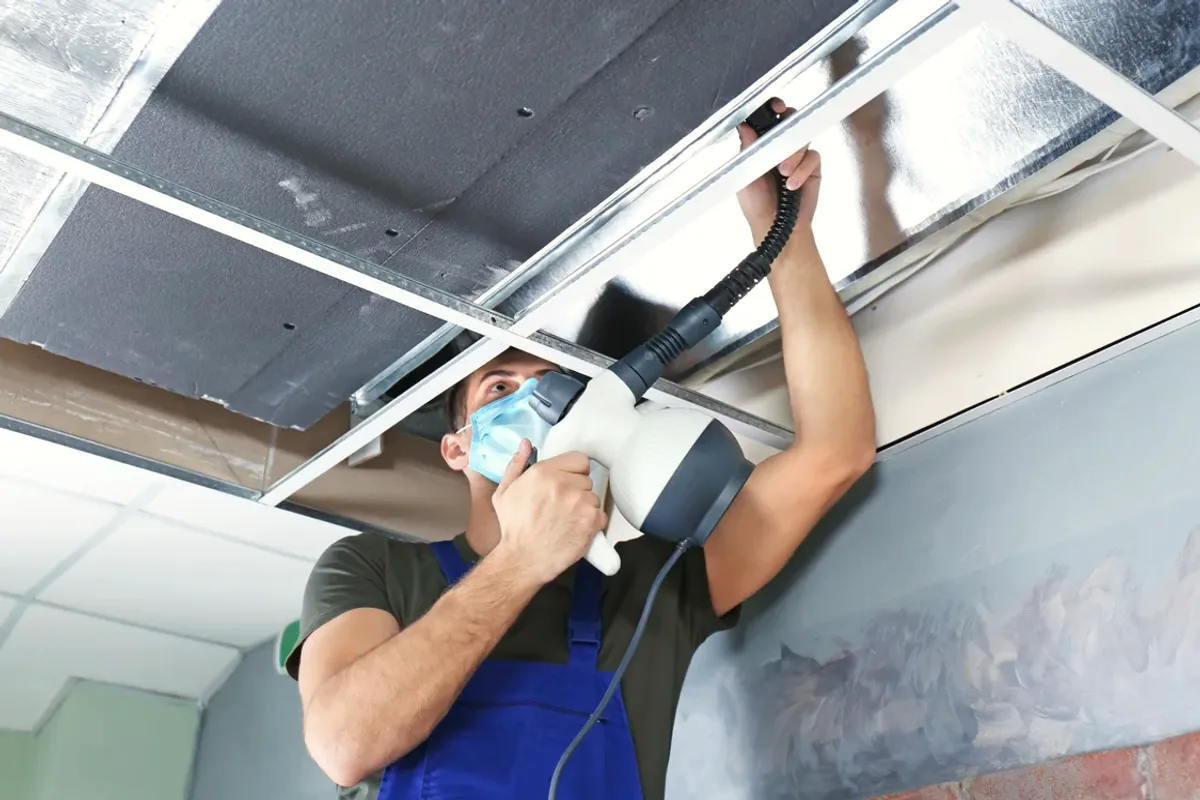
Request duct cleaning for a property in Kitchener. Include the equipment, the problem or planned work, and your location so the request can be reviewed.
What evidence suggests debris is inside the ducts, and are there separate odour or airflow symptoms?
Dust near a register, an odour when air moves, or weak airflow can prompt a duct inspection, but none alone proves that duct cleaning is the remedy. Debris may be present in ductwork, while an odour or airflow problem can also originate in equipment, a drain, a damaged branch, or another source. Inspection should identify where material is present and whether a duct defect needs repair. Cleaning is a targeted service, not a routine treatment or a guaranteed indoor-air result.
Describe where dust or odour is noticed and which registers have weak airflow. Inspection of accessible duct sections and relevant HVAC components can establish whether debris is present and whether airflow measurements point instead to a blockage, leak, or equipment issue. Those findings determine whether cleaning, repair, or further diagnosis is appropriate; cleaning alone cannot resolve every source of odour or low airflow.
Inspection for dust and debris in accessible ductwork
Register airflow measurement and duct leak or branch diagnosis
Odour-source assessment and distinction between cleaning and repair
Assessment and Scope
Questions for the Proposed Work
01
Confirm that duct cleaning fits the finding
Visible debris inside accessible ductwork may support cleaning, but dust on a register does not establish how much material is farther inside. An odour can originate from equipment or a condensate drain rather than the ducts. Identify the location and source before deciding on work. This distinction matters because cleaning the wrong area may leave the underlying issue untouched, while a confirmed duct deposit gives the cleaning scope a clear basis.
02
Use airflow checks to identify other work
Register airflow can be measured before and after cleaning when that comparison is relevant, but low airflow may also reflect a closed or damaged branch, duct leakage, a filter restriction, or an equipment fault. Measurements help distinguish these causes instead of treating cleaning as the default fix. If inspection identifies a duct that needs sealing or repair, that is separate work with a different purpose from removing dust and debris.
03
Set a focused cleaning scope
The work should specify which ducts and connected components contain material that needs removal, based on inspection and access. A furnace, air conditioner, or heat pump may share ductwork, but cleaning does not itself repair or maintain that equipment. Manufacturer instructions and inspection findings determine any separate equipment service. Avoid assuming a fixed cleaning interval or promising changes to health, air quality, system life, or energy use.
Compare the next step
Ask each provider to inspect or explain the same contamination concern. Compare the affected system components, access plan, property protection, completion evidence, and total written charge. Clarify proposed treatments separately and request their purpose before allowing an optional chemical treatment to disappear inside a bundled price.
Routine cleaning is not automatically necessary and does not guarantee health or energy benefits. Resolve moisture sources and assess damaged materials rather than treating cleaning as the only remedy.